
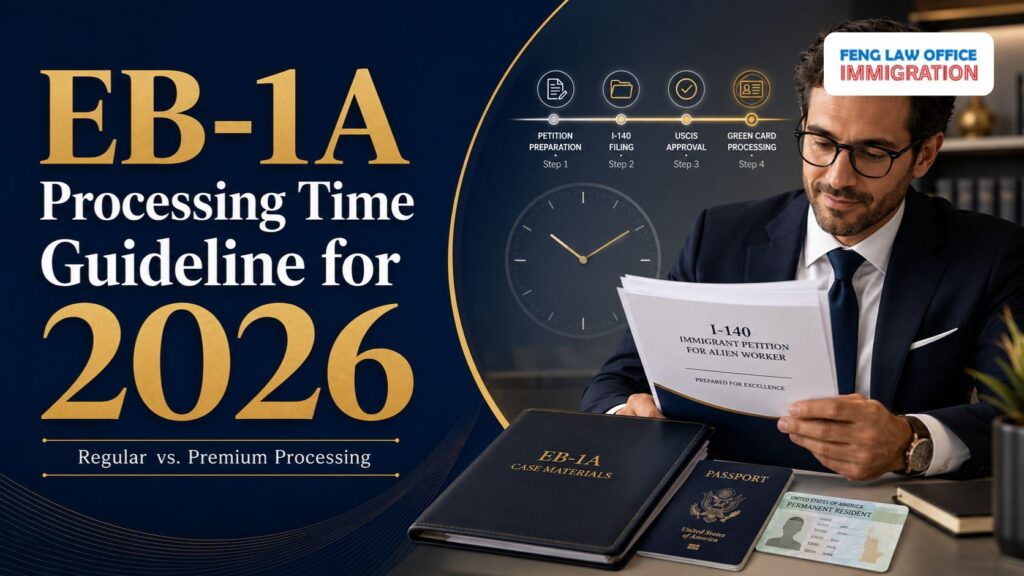
For highly skilled professionals planning to move to the United States, understanding the EB-1A processing time is essential. Whether you are an entrepreneur, executive, researcher, or innovator, the EB-1A business immigration visa offers one of the fastest pathways to a green card. However, timelines can vary significantly depending on how you approach the process, your profile strength, and whether you opt for premium processing.
This 2026 guide explains the EB1A timeline, from petition preparation to final green card approval, along with practical strategies to help you avoid delays and move faster.
Understanding the EB-1A Visa and Its Advantages
The EB1A category is designed for individuals who demonstrate extraordinary ability in their field. Unlike other employment-based visas, the EB1A process allows applicants to self-petition without relying on an employer. This flexibility is one reason why the eb1 visa processing time is often faster compared to other visa categories.
Another key benefit is that the eb1 green card processing time can be shorter because EB-1 visas are given higher priority under U.S. immigration law. Still, processing speed depends heavily on how well your case aligns with EB-1A requirements and how efficiently your petition is prepared.
EB-1A Timeline Breakdown for 2026
The complete EB-1A timeline typically involves multiple stages, each contributing to the overall eb1 processing time. For most applicants, the process begins with case preparation, which can take a few months depending on how quickly you gather documentation that satisfies the EB-1A criteria.
Once your EB-1A application is ready, you file Form I-140. The I-140 processing time under regular processing can take several months. However, with premium processing, the I-140 processing time is reduced to just 15 calendar days, giving you a quick decision on your petition.
After I-140 approval, the next step depends on your location. If you are in the United States, you can apply for adjustment of status. If you are outside, you proceed through consular processing. This stage usually takes several more months, contributing to the total EB-1A green card processing time, which often ranges between 12 to 24 months overall (assuming visa is immediately available).
The Role of Priority Date in EB-1A Processing
An important but often overlooked factor is the eb1a priority date, which determines when you can move forward with your green card application. In many cases, EB-1A applicants benefit from current priority dates, meaning there is no waiting line. However, for applicants from high-demand countries, retrogression can extend the eb1 process timeline.
Understanding how your priority date works helps you plan your application strategy and avoid unnecessary delays in the I-140 approval timeline and subsequent stages.
Premium Processing: Faster But Not Always Better
One of the most common questions professionals ask is, “Is it better to go for premium processing for EB-1A?” The answer depends on your situation.
The premium processing time significantly reduces the waiting period for I-140 decisions. By paying the premium processing fee, you can receive a response within 15 days. This is especially useful if you are working under tight visa deadlines or need quick clarity for career or business decisions.
However, premium processing does not improve your chances of approval. If your petition is not strong enough or does not fully meet EB-1A visa requirements, a faster decision could mean a faster denial or a request for additional evidence. For this reason, many experienced professionals focus first on building a strong case before choosing premium processing.
Key Factors That Affect EB-1A I-140 Processing Time
The overall I-140 timeline is influenced by several factors. One of the most important is how well your application meets the EB-1A criteria. Strong documentation, clear evidence of achievements, and well-prepared recommendation letters can significantly reduce delays.
USCIS workload also affects the EB-1 I-140 processing time, as processing speeds vary depending on the service center handling your case. Additionally, requests for evidence (RFEs) can extend the timeline by several months. Errors in documentation or incomplete submissions can further slow down the EB-1 visa processing time.
Applicants who carefully prepare their petitions and align them with EB-1 visa requirements often experience smoother and faster processing.
Step-by-Step EB-1A Process Explained
The EB-1A process begins with evaluating whether you meet the eligibility standards. This includes analyzing your achievements and determining if they satisfy at least three of the required criteria.
Once eligibility is confirmed, the next step is preparing a compelling petition. This includes gathering evidence, drafting legal arguments, and organizing documentation. After filing the I-140 petition, you will wait for a decision based on either regular or premium processing EB-1A timelines.
Following approval, you proceed with your green card application, which is the final step toward the EB-1A green card. Each step plays a critical role in determining your overall EB-1A green card processing time.
Common Mistakes That Delay EB-1A Applications
Many applicants unintentionally increase their EB-1A processing time by making avoidable mistakes. One common issue is submitting generic or weak recommendation letters that fail to demonstrate extraordinary ability. Another is misunderstanding the EB-1A requirements, leading to insufficient or irrelevant evidence.
Some applicants rush their petitions without fully preparing their case, especially when opting for premium I-140 processing time. This often results in RFEs, which can delay the process significantly. Paying close attention to detail and ensuring that your petition clearly meets all EB-1A visa requirements is crucial for avoiding setbacks.
Plan Strategically to Optimize Your EB-1A Timeline
The EB-1A processing time in 2026 can be one of the fastest routes to U.S. permanent residency—but only when approached strategically. From understanding the EB-1A timeline to preparing a strong petition and deciding whether to use premium processing, every step matters.
For highly skilled professionals, success is not just about speed but about precision and preparation. A carefully structured application that meets all EB-1A requirements can help you avoid delays and achieve faster results.
If you are ready to move forward with your EB-1A immigration visa, now is the time to evaluate your profile, strengthen your application, and seek expert guidance. Take the next step with confidence and position yourself for a smooth and successful immigration journey.
Trust us and call us today.

Zechen Feng
Zechen Feng is the founder and principal attorney at Feng Immigration Law, where he is dedicated to helping individuals and families navigate the U.S. immigration system with clarity and confidence. With extensive experience in immigration law and a personalized approach to every case, Zechen is passionate about advocating for his clients’ rights and futures. Through the blog, he shares practical guidance, legal updates, and expert insights to empower those on their immigration journey.


 ICONIER Digital Agency